
Key Insights from the IMN Forum
- Insulate project timelines from "chaos risk" by prioritizing certainty of execution over marginal rate sensitivity.
- Break through the 10-unit scaling wall by replacing rigid bank deposit requirements with asset-focused private capital.
- Hedge against labor attrition by using draw speed and capital durability to keep boots-on-the-ground trades from spinning off.
I just wrapped up two days at the IMN Single Family & Build-to-Rent Forum in Houston, and the room was focused on one thing: Capital durability. If you're looking to scale, you already know that speed is a hedge against market risk.
Here’s the boots-on-the-ground reality from the conference.
Operational Friction: The Chaos Premium
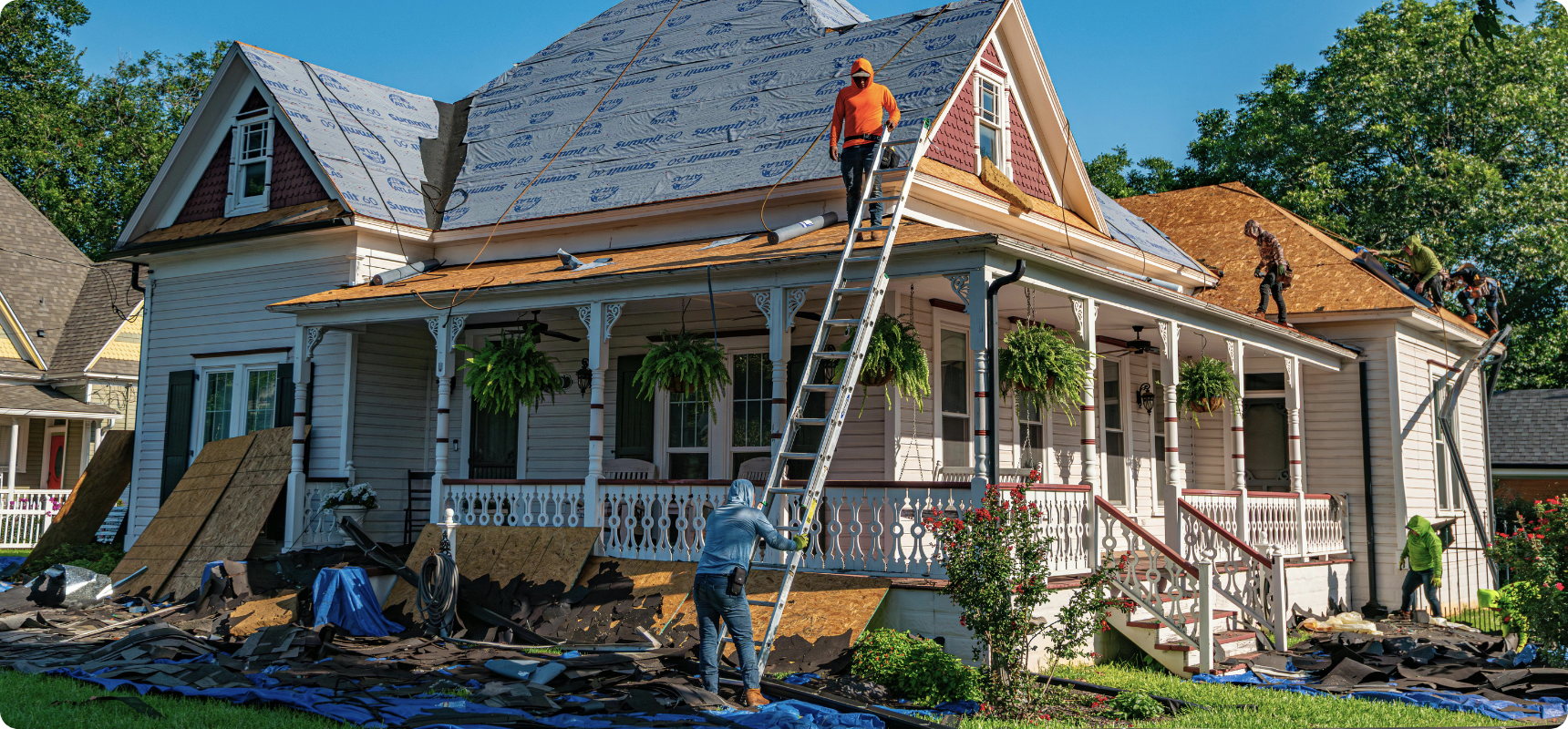
The custom build market isn't rate-sensitive; it’s chaos-sensitive. Unclear timelines and displaced capital kill deals faster than a 50bps hike. Texas rehabbers and developers are also seeing significant labor attrition as lead trades spin off on their own or exit due to immigration concerns (even among legal workers).
- Actionable Tip: Plan for longer than expected timelines and set expectations with your customers. Clear communication is a great way to reduce friction and stabilize velocity. Customers’ frustration comes from not knowing what’s happening, or “why is this taking so long?”
Capital Durability: Why Your Bank Is a Bottleneck
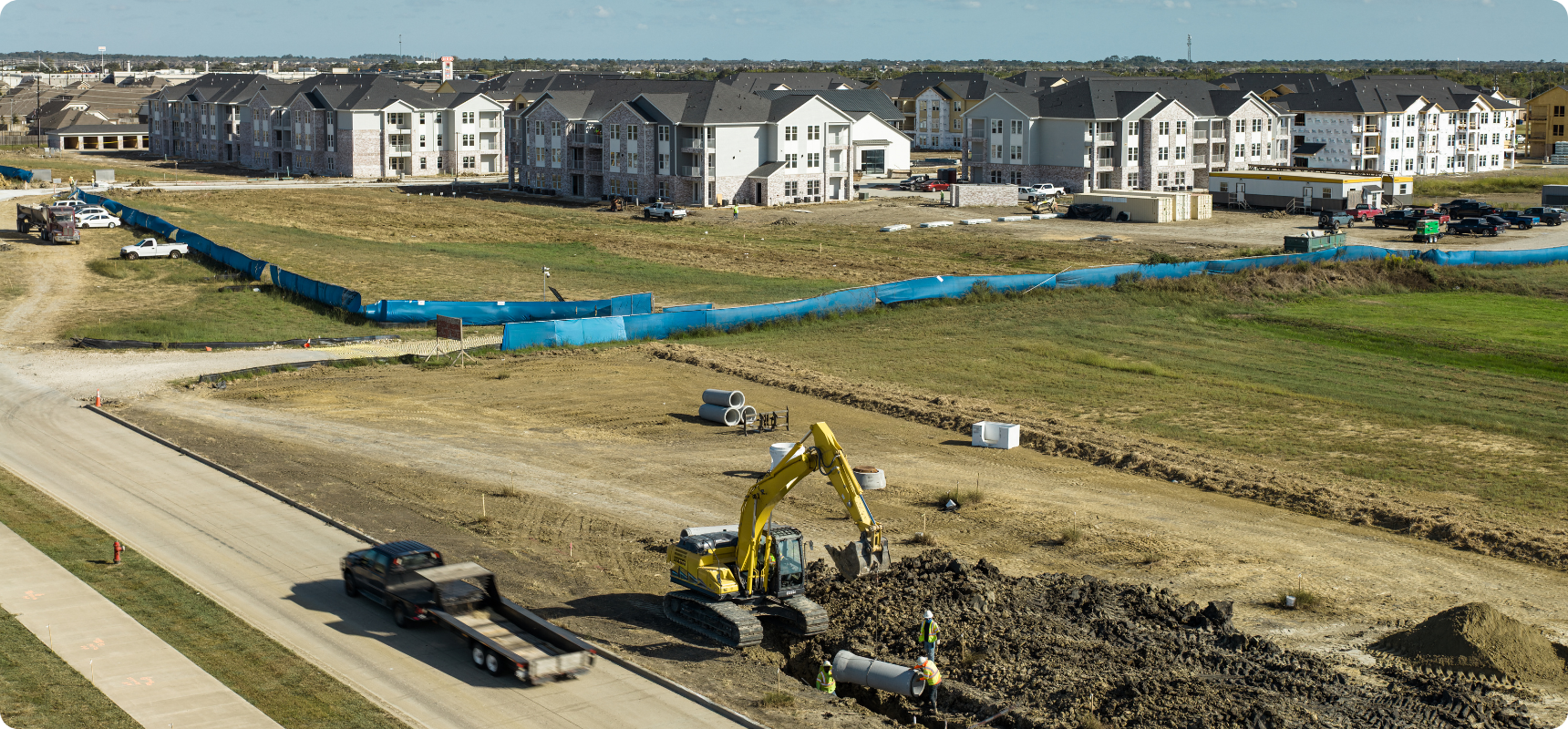
As you scale from 3 to 35 units, regional banks can get uncomfortable. They pivot to debt-to-income (DTI) and deposit requirements because they can't control the unknowns or model the market absorption. Private lending (like Groundfloor Lending) stays focused on the asset rather than the strict regulations banks have, which keeps your money working, not sitting.
- Actionable Tip: Vet your lender’s capital source(s). Ask what happens when a project hits a snag or the economy changes. If they don't have the judgment to work with you when a site catches fire or the country enters a war, they aren't a partner; they're a liability.
Discovering you need capital durability? Submit your next deal below or give us a call at (404) 850-9224. We’ll be in touch in one business day.

Quick FAQ
Q: How does Groundfloor handle draw requests if a project hits a labor shortage?
A: Our draw process is designed for capital velocity. We work with you to ensure draws don't stop, keeping your remaining trades paid and on-site.
Q: Does Groundfloor require personal tax returns to scale a portfolio to 30+ units?
A: No. We don't care about DTI or personal income. We care about the deal's viability, the ARV, and your track record of exits.
Q: What happens if my project hits a major hidden issue like a foundation crack?
A: Groundfloor's Asset Management team acts as a growth partner. We offer flexibility, such as workouts or extensions, to help you cross the finish line.
